
Chief Brand & Growth Officer · The Brand Architect
Rob Steven Williams

01 / FOUNDER
Hey. I am Rob. A Founder & Agency owner based in the Peninsula, Long Beach, California
Paddle board and golf clubs in hand. Will travel.
02 / PRINCIPLES
Principles
AI scales expression.
Humans define identity.
The customer is the hero.
The brand is the guide.
Culture follows feeling.
Markets follow data.
03 / PRINCIPLES
Brand promise and consistency is trust.
Drift is doubt.
History is context.
Brand identity is authority.
Technology without feeling
leaves people cold.



Skills
What I Do
01
Brand Identity & Governance
02
Customer & ICP Intelligence
03
Positioning & Messaging
04
Storytelling
05
Video Production
06
Go-to-Market
07
Systems & Infrastructure
The Future of Flight: One Small Step for Man
Read moreRead less›
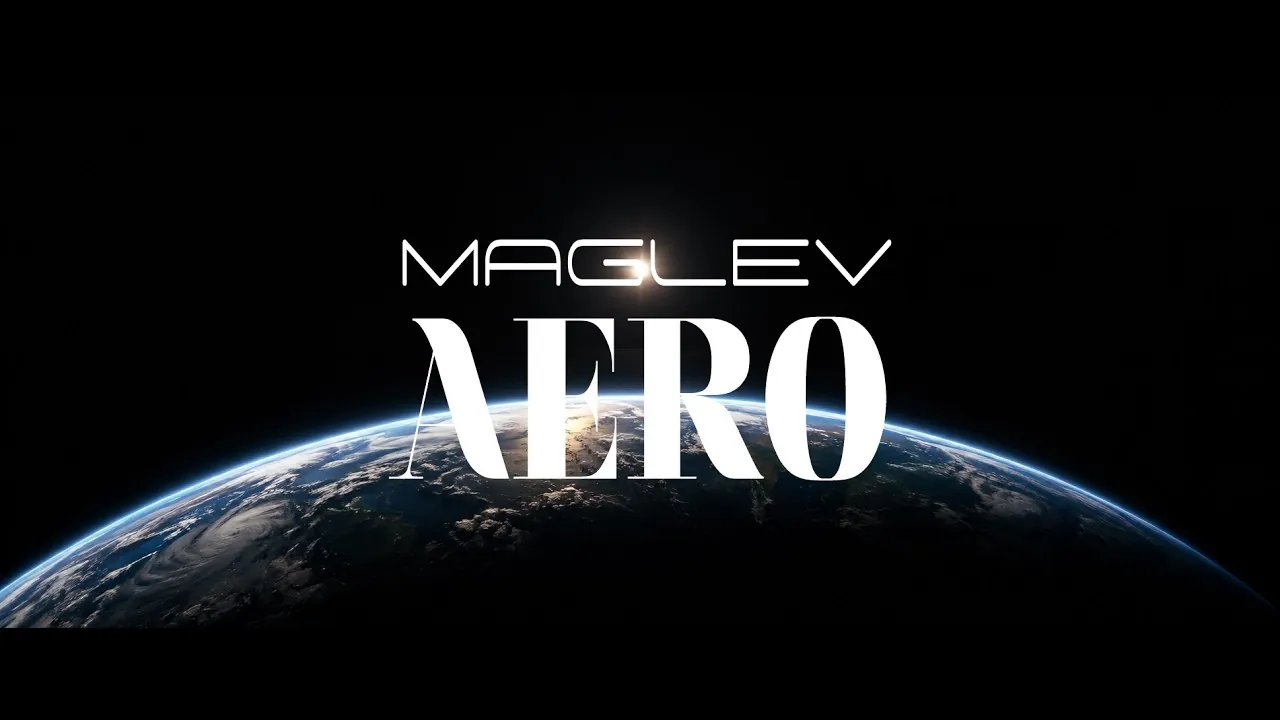
The film tells the history of innovation in aerospace. The Wright Flyer barely leaves the sand at Kitty Hawk, and its fabric wing becomes a 747. Da Vinci’s ink spiral becomes a helicopter rotor. A pencil trajectory becomes a heavy-lift rocket. A single glowing filament becomes a city of light. Then the screen goes black, and one human voice comes through the static: one small step. The great leaps in aerospace began as a dream, an idea, and then flight. The film closes on four words, Every future starts somewhere, and then the MagLev Aero logo.
MagLev Aero also printed stills from the film as large billboards at the event, carrying the theme through the day.
- Event:
- The Future of Flight, MagLev Aero’s product unveiling
- Client:
- MagLev Aero
- Concept and treatment:
- MagLev Aero and FuturLogic
- Pre- and post-production:
- PopTech Studio™ (storyboarding, images, video and editing)
- Images:
- ChatGPT Image 2.5
- AI video:
- Kling 2.0 and Seedance 2.5
- Production time:
- 29 hours (pre-production 11, post-production 18)
Delivered in two days

Asymmetric Influence: The Architecture of Visionary Co-Authorship
Nike, HP, Sony, Marvel.
60+ major artists.
The moment Rob enters the room, fragmented ambition becomes operational destiny. Friction is replaced by clarity. Brands stop chasing trends and begin moving with cultural gravity, engineered to scale without losing their human soul.
Now building the future of brand identity and governance with AI.
Architected AI Systems & Industry Impact
Prism IO™
Clarity AI™

Methodology & Approach
FAQ
How do we keep AI-generated content consistent with our Brand?
Start by giving your people and AI the same understanding of who your Brand is.
That includes your positioning, audience, products, point of view, voice, claims, and the things that should remain true no matter who or what is creating the work.
Once that foundation is clear, you can carry it into the tools and workflows your team uses every day. AI can help you scale communication, but the identity it works from should still come from you.
Why does our team keep rewriting AI-generated content?
Sometimes the problem is not the writing. It is what the AI was given before it started writing.
If your team keeps putting the Brand back into the work, look at the inputs first. Does the AI understand who you are, who you are speaking to, what you believe, what is current, and what good work actually sounds like for your Brand?
Clearer Brand context can reduce the interpretation people have to do after the first draft. The goal is not simply to generate faster. It is to create work that needs less fixing afterward.
How do we make an AI agent represent our business accurately?
Begin by defining what the agent needs to understand and what it is allowed to do.
Who is it helping? What is its role? What should it know about your company, products, audience, and Brand? What can it communicate confidently? Which actions require approval? When should it ask a person for help?
Then test it with the kinds of situations your customers actually experience.
I think about an AI agent as another point of contact between your Brand and a human being. The technology matters, but so does the experience someone has when they meet your company through it.
What should a business automate first?
Start with something useful.
Look for a recurring process where your team understands the problem, who owns it, what good looks like, and what would improve if the process worked better.
Then ask a simple question: Would automation make this experience meaningfully better for the customer, the team, or the business?
If the answer is yes, you have a good candidate to evaluate.
AI should help reduce repetitive work, improve experiences, increase capacity, or create measurable business value. The goal is better work, not more automation.
How can AI support revenue without weakening customer trust?
Use AI where it helps people have a better experience with your business.
That might mean answering questions more clearly, helping someone understand the right product, following up faster, providing more useful support, or helping your team communicate more consistently.
Keep product information accurate, promises grounded, and a person available when the situation calls for one.
Revenue and trust do not have to compete. The strongest use of AI should create value for the customer while making the business stronger.
What is the difference between Prism IO™ and PopTech Studio™?
They solve different parts of the same larger challenge.
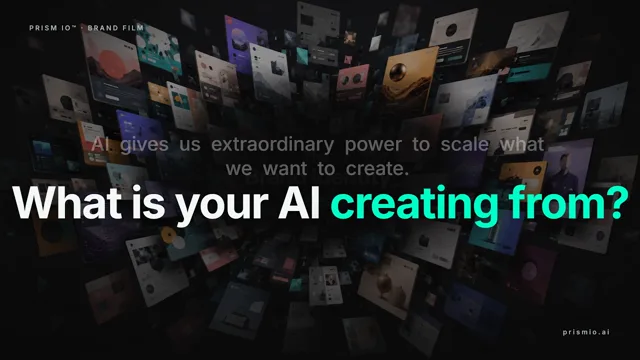
Prism IO™ helps define and govern the Brand identity that people and AI work from. Brand System Architect™ helps structure that identity into a Brand Identity System™, and BrandOS™ helps govern how the Brand is represented across supported AI tools and workflows.
PopTech Studio™ helps businesses put AI to work through strategy and implementation across AI agents, automation, workflows, and practical business applications.
One establishes and governs the identity behind the work. The other helps put AI into operation.
My work connects both because I have spent my career at the intersection of Brand, marketing, technology, and business.
How do you measure the value of an AI implementation?
Start before you implement it.
Ask what you want to improve and how you measure that today.
Depending on the problem, that could be time spent reviewing work, correction rates, how quickly a customer gets an answer, qualified leads, conversions, customer satisfaction, operating cost, or revenue.
Then compare what changed, including the cost of implementation, ongoing operation, and human oversight.
I prefer measuring the whole workflow, not just how quickly AI produced the first output. A draft created in thirty seconds is not necessarily more efficient if several people spend the next hour fixing it.
The useful question is: Did this make the business, the customer experience, or the work meaningfully better?
How can we work with Rob Steven Williams?
Usually, we start with a conversation. Book a Zoom meeting with me.
Tell me what you are building, what you are trying to change, where you feel stuck, and what a better outcome would look like.
Sometimes the right next step is working on your Brand identity. Sometimes it is understanding how AI fits into the business. Sometimes it is an agent, workflow, or implementation.
And sometimes the most useful thing I can do is help you see the problem differently before you invest in anything.
Together, we can use data analysis, audits, and practical evaluation to understand where you are today, what is creating value, and where the strongest opportunities lie. My role is to turn that evidence into clear guidance, so you can see the reasoning, understand the trade-offs, and make an informed decision.